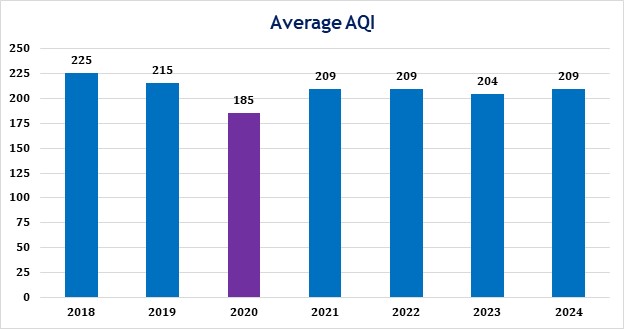

The Air Quality Index (AQI) is divided into different levels:
• 0–50 (Good): Clean air, safe for everyone
• 51–100 (Not Bad): This is discomfort for some people
• 101–200 (Moderate): Breathing problems for sensitive people and children
• 201–300 (Poor): Discomfort for most people
• 301–400 (Very Poor): Serious health effects and issues
• 401–500 (Extreme): Very dangerous air Quality
The air index in Delhi crosses 300+ people start facing health problems and more problems.
Click Here To Check the Latest AQI : Trendswithyou Air Quality Index
Delhi AQI
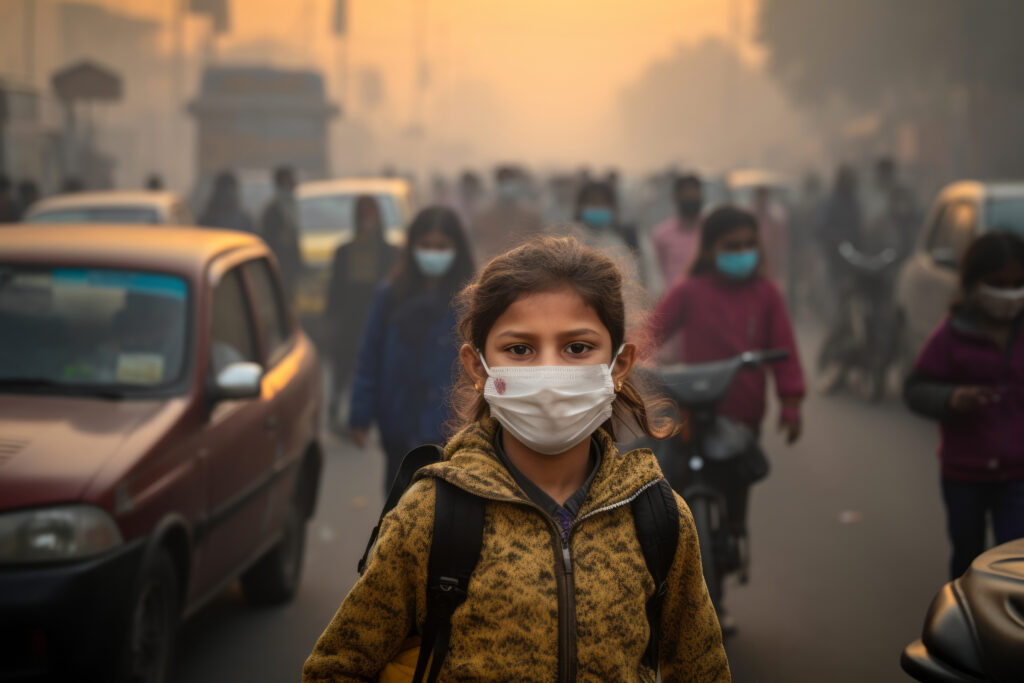
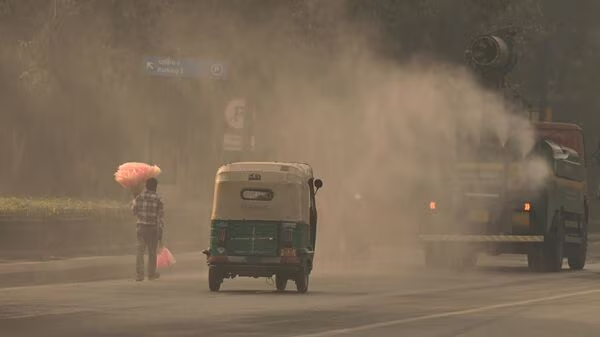
Delhi AQI has become an everyday concern for people living in the Delhi city.
The AQI quality of air directly affects health, daily life, and the future of children.
Many people now check the Air Quality Index before going out, exercising,
or sending children to school. The air index in Delhi regularly shows high pollution
levels, which is why the air pollution index remains a serious topic of discussion.
This article explains Delhi AQI in very easy words, gives the average index of Delhi,
and helps readers understand why clean air is important.
What is Delhi AQI?
Delhi AQI means the level of air pollution in Delhi and using the Air Quality Index.
In this index numbers that tells us how clean or dirty the air quality is. If AQI is 50 to 100
That means air is clean, but if AQI is 150 and 200 plus its means air quality is harmful.
The Air Quality Index is based on harmful gases and Dust in the air, like smoke, dust,
and vehicle pollution. These pollutions are dangerous when they enter our lungs.
Average Air Pollution Index of Delhi
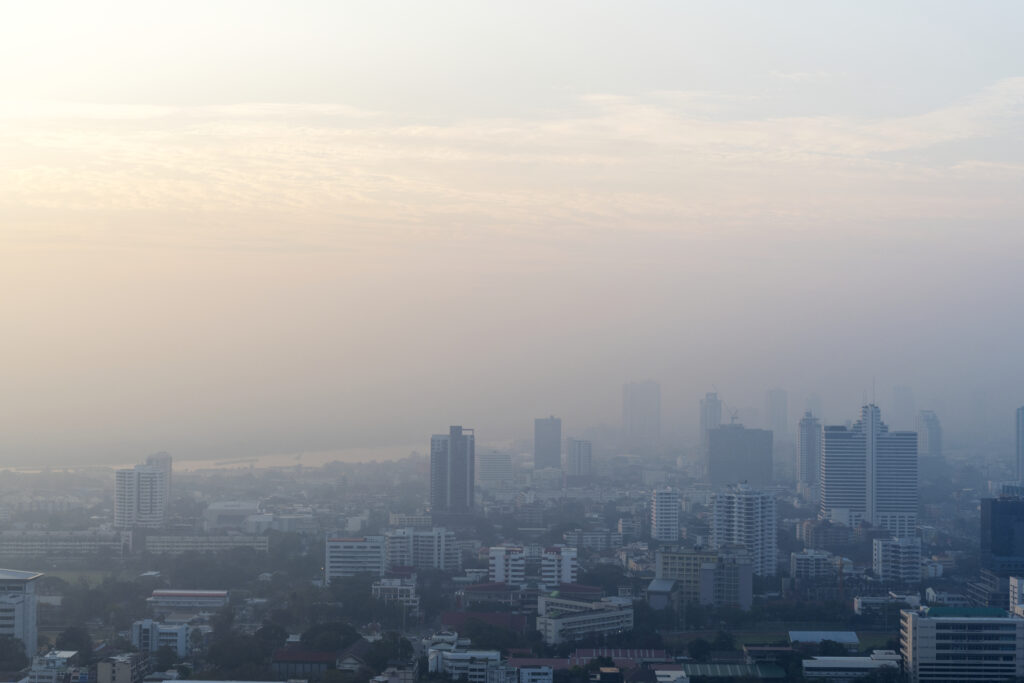
The average Delhi AQI is much higher than safe limits. On average, the air pollution index
in Delhi stays between 200 and 350 during most months of the year. This means the air
quality is very harmful for people and children’s.
During winter, the air index in Delhi regularly above 300, and this is the Very Poor
category.
Why is the Air Index in Delhi So High?
There are many reasons high Delhi AQI:
1. Vehicle Pollution: Millions of cars and buses release smoke and gases every day.
2. Factories: Industrial areas release harmful chemicals into the air.
3. Dust: Construction work creates large amounts of dust.
4. Crop Burning: Burning of farm waste in nearby states increases the air pollution index.
Health Effects of High Delhi AQI
A high Delhi AQI is harmful to health. People regularly face problems such as:
• Coughing and sneezing
• Burning eyes and throat
• Shortness of breath
• Asthma attacks
• Heart and lung diseases
Children and elderly people suffer the most when the air pollution index is high.
Long-term experience to polluted air can reduce life expectancy.
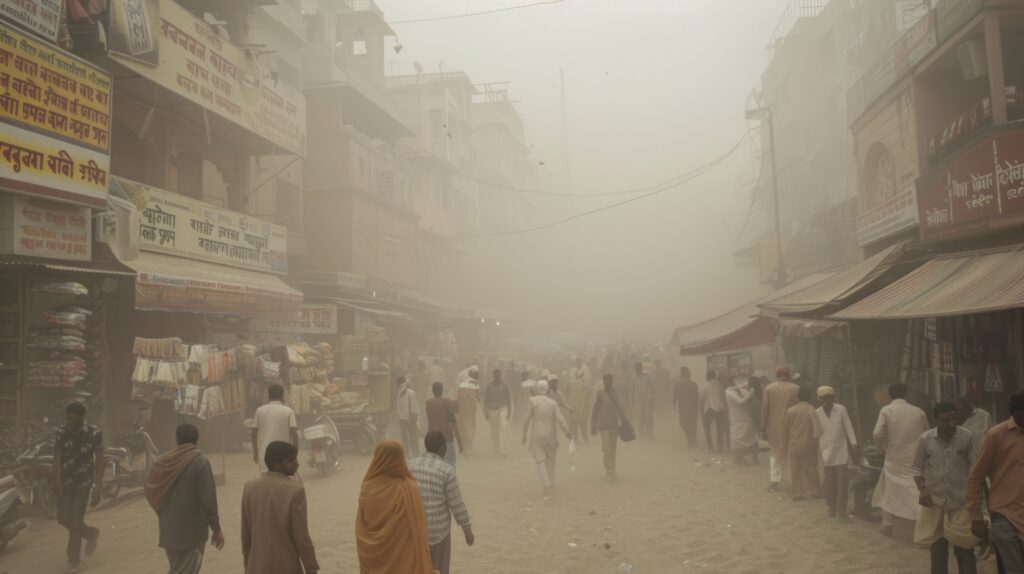
How can we Control Delhi AQI
The government has taken some steps to control the air Quality in Delhi:
• Using electric and CNG vehicles
• old vehicles are not allow
• Manage factories and construction sites
• Banning firecrackers during festivals
These steps all steps all to control pollution, but the Air Quality Index still needs strong
long-term planning.
What Can People Do to Reduce the Air Pollution Index?
Can People People can help to improve Delhi AQI by making small changes:
• Use public transport for traveling
• stop burning garbage
• use electric vehicle
• Plant more trees
• Follow pollution rules
• Assemble air purifier
On these days with poor air quality in Delhi, people should avoid outdoor exercise and wear masks’ to Reduce the Air Pollution Index?
Future of Delhi AQI
Delhi AQI is not easy to control, but it is possible. Better public transport, clean energy,
and pollution control Rules can improve the Air Quality Index. Public contribution also
plays an important role in control the air pollution index. Get More Information Click Here.